Battery Testing Equipment
Formation, grading and aging systems with energy-feedback options for accurate capacity and lifecycle evaluation, plus module and PACK end-of-line test systems.
Models in this category

PACK/Module EOL Comprehensive Test System
For electric vehicles, buses, home energy storage, containerized energy storage, battery module PACK off-line testing and quality control.
View details →
Comprehensive Tester
Voltage Rating: 100V/200V · Charging Current: 30A/50A/100A/200A · Discharging Current: 100A~3200A
View details →
PBTS (M) series protective plate tester
BMS temperature test: BMS NTC temperature test (true temperature accuracy test) / BMS NTC temperature simulation test (simulation temperature accuracy...
View details →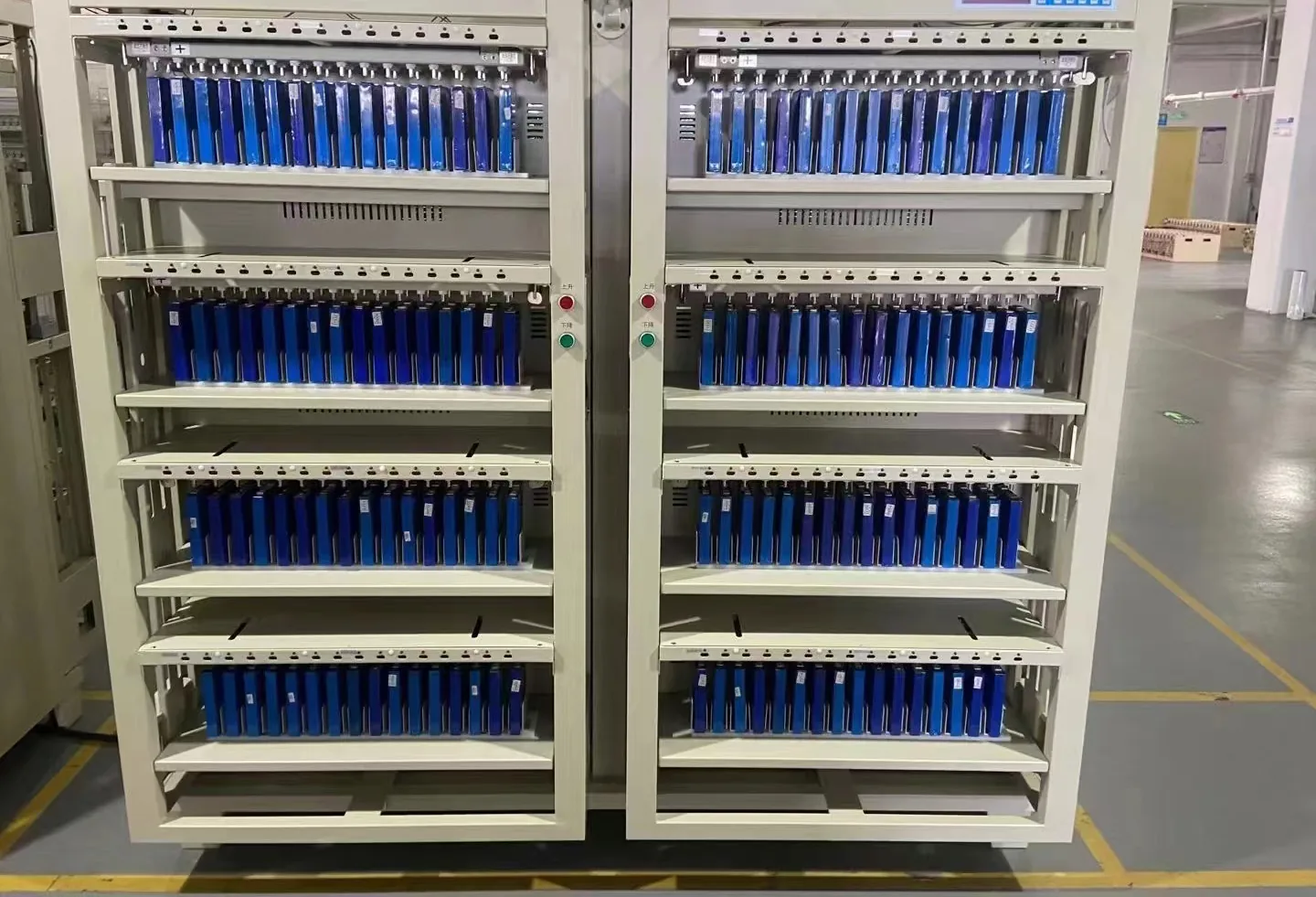
Grading Machine for Battery Cells
Application: Cylindrical / prismatic / pouch / universal cells.
View details →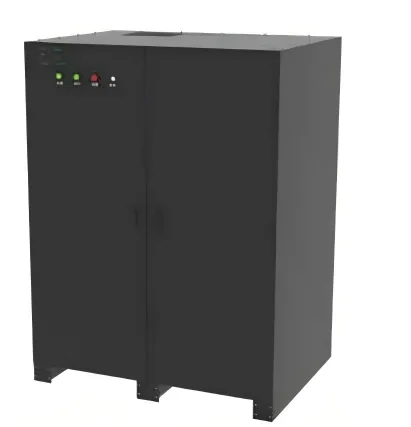
Aging Machine for Battery Pack
Application: Different kinds of packs.
View details →Why testing equipment decides your warranty cost
In lithium battery manufacturing, the test bench is where quality is proven and where cost is saved. Cells that leave the factory unmatched in capacity or internal resistance become packs that underperform, age unevenly and generate warranty claims. Formation and grading systems measure every cell’s actual capacity, OCV and internal resistance; aging systems cycle cells and packs under controlled load to expose infant mortality before shipment; and end-of-line test systems verify that every finished module or PACK meets its electrical and safety specification.
What our testing range covers
- Formation and gradingFirst-cycle formation with capacity, OCV and IR measurement per channel, so cells are classified into matched grades instead of assumed grades.
- Aging and cycle-life testingMulti-channel aging cabinets with charge/discharge control and optional energy feedback, which returns most of the test energy to the grid and cuts the operating cost of long aging runs.
- Cell grading (NG-013)High-throughput sorting for production lines that need capacity-matched groups.
- PACK aging (NG-014)Pack-level aging that verifies BMS behaviour, connector integrity and thermal stability under real load.
- Module/PACK end-of-line test (NG-010, NG-011)Comprehensive EOL testing for EV, bus and home-storage packs, combining electrical performance with functional checks before the pack is approved for shipment.
Traceability and standards
Every channel logs its own data, so a failed cell or pack can be traced back to its test record — the evidence EV and ESS customers ask for during audits. Our systems are configured around your cell chemistry: channel count, voltage range and current range are chosen per project rather than sold as a fixed catalogue unit. Calibration and channel-matching services keep measurement accuracy stable over years of daily operation, and remote diagnostics shorten downtime when a channel does go out of tolerance. Tell us your cell or pack specification and daily test volume, and we will propose a configuration with the right balance of throughput, accuracy and energy cost.
Where this equipment is used
Other equipment categories
Need help specifying a battery testing equipment?
Tell us your cell format, target output per hour and line layout — we will propose the right machine combination.